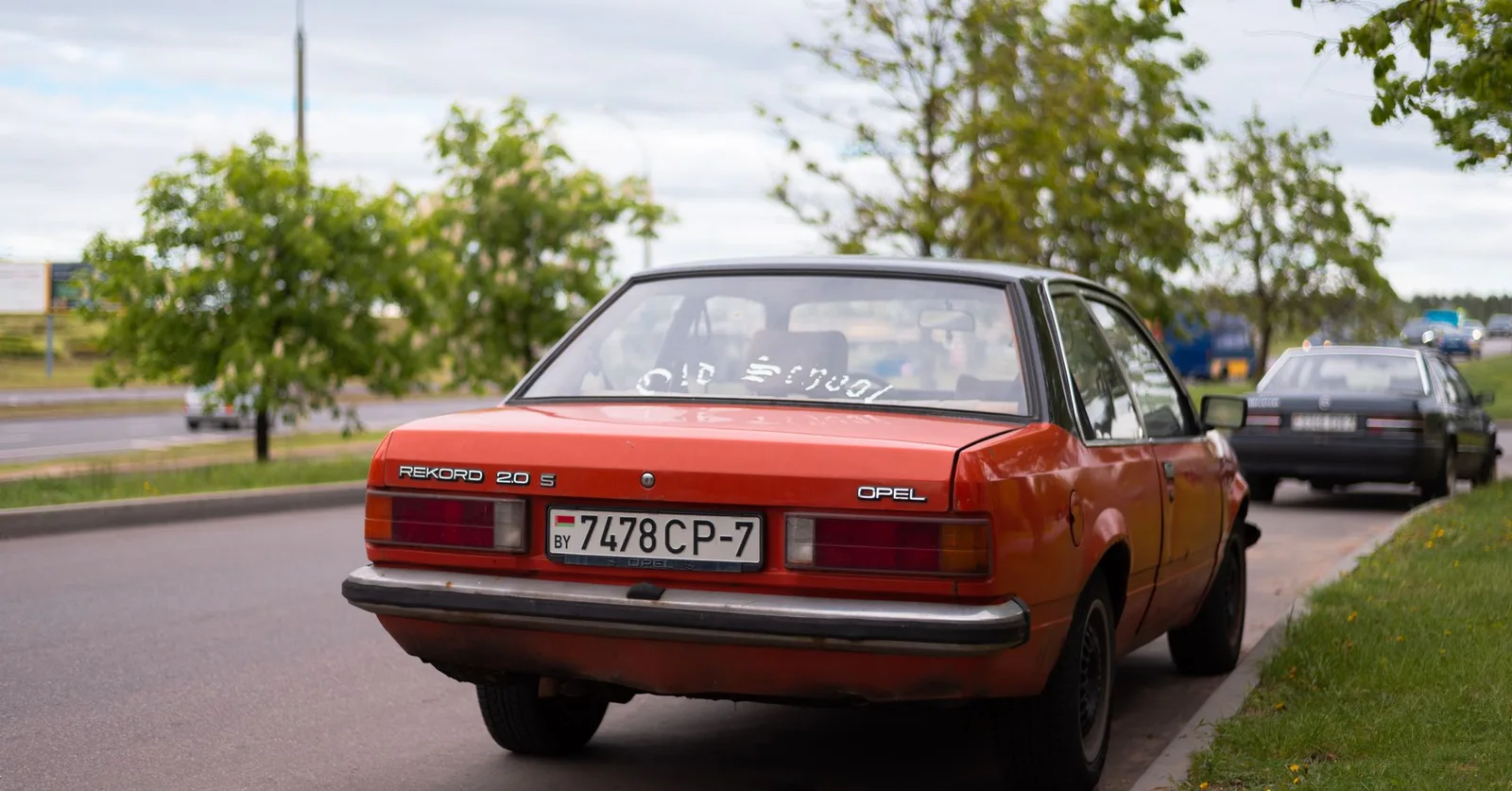
Mileage, NCT status and service history all move the number we offer, but condition usually matters more than any of them on its own. A high-mileage car with a full service history and a fresh NCT can be worth more than a low-mileage one that’s been neglected. We’ve been buying cars, vans and SUVs across Dublin since 2014, and the pattern is always the same: buyers (us included) are really paying for confidence, not just numbers on a page.
Mileage matters less than people think, but it’s not nothing
Dublin driving is odd. A lot of cars in this city do big mileage not because the owner drives long distances, but because they’re sitting in stop-start traffic on the M50, the N11 or the quays every single day. That kind of mileage is harder on a clutch, a gearbox and brake components than the same number of kilometres done on an open motorway run down to Cork.
So when we’re looking at a car, we’re not just reading the odometer. We’re thinking about what kind of mileage it probably is. A ten-year-old car with 180,000km that’s clearly done a lot of steady commuting can still be a decent buy. A car with half that mileage but a rough service record and obvious wear on the pedals and seat bolster tells a different story.
The honest rule of thumb: mileage sets the ballpark, but it doesn’t fix the final number on its own. It’s one input among several, and we’d always rather look at the actual car than go purely off the clock.
NCT status: this one genuinely swings the offer
This is probably the single factor we see catch Dublin sellers out most often. A car with a long NCT left on it is simply easier for us, and for any buyer, to put straight back on the road or sell on. A car that failed its last test, or one where the NCT has lapsed, carries uncertainty. Nobody knows exactly what it’ll cost to put right until it’s tested again, and that uncertainty gets priced in.
We still buy cars with no NCT, failed NCTs, and cars that haven’t seen a test centre in years. That’s a normal part of what we do. But we’d be lying if we said it didn’t affect the figure. If you’ve got a current NCT cert and the car is roadworthy, it’s worth mentioning that upfront when you contact us, because it genuinely helps us give you a sharper offer straight away rather than a cautious one.
One thing we’d steer people away from: spending money on NCT retests or repairs purely to try to boost a cash sale. If the car has reached the point where you’re selling for cash rather than trading it in, in most cases it’s not worth the outlay. Get a quote first and let us factor the real condition in.
Service history: it’s about proof, not perfection
A full main-dealer service book with every stamp in place is lovely to see, but it’s rare, and we don’t expect it. What actually helps is any evidence that the car’s been looked after: receipts from a local garage, a part-history with a gap or two, even photos of recent work done. It shows the car hasn’t been run into the ground.
No history at all isn’t a dealbreaker. A lot of older cars, especially ones that have changed hands two or three times, simply don’t have a full paper trail anymore. In that case we go more on what we find when we look the car over, start it, and check it ourselves. That’s one advantage of dealing directly with a buyer rather than trying to sell privately: we’re used to assessing a car on what’s in front of us, not just what’s on paper.
Dublin-specific things that quietly affect value
A few local factors come up again and again in our line of work:
- Kerb and pothole damage. Cars that spend their life parked on tight Dublin streets tend to pick up more scuffs, alloy damage and suspension knocks than cars kept off-street.
- Coastal and salted-road corrosion. Cars that regularly see the coast road or are parked near the sea can show more underbody rust than you’d expect for their age.
- Flood history. Some older cars in parts of the city have been through flooding at one point or another. If a car has a flood history, say it upfront. It’s something we check for anyway.
- Private parking dents. Apartment block car parks and tight estates mean a lot of cars have minor door dings that owners forget about until someone points them out.
What pushes a cash offer up or down
There’s no single formula, but across the thousands of vehicles we’ve looked at since 2014, these are the things that consistently move the number:
- Up: current NCT with plenty of life left, any service records or receipts, a car that starts and drives normally, original parts rather than aftermarket repairs, a straightforward ownership history.
- Down: expired or failed NCT, warning lights on the dash, visible rust or structural damage, non-runner status, missing documents like the logbook, and mileage that doesn’t match the car’s apparent condition.
Damage and non-running status don’t take a car off the table for us at all, they just change what we offer. We buy damaged vehicles and non-runners regularly, including cars that other buyers won’t touch, and we’ll always explain how we arrived at a figure rather than just handing you a number.
Why it’s usually better to just ask for a figure than guess
We get a lot of calls from people who’ve talked themselves out of selling because they assume high mileage or no NCT means the car is worthless. That’s rarely true. It just changes the number, and often by less than people expect. The fastest way to find out where your car actually stands is to get it looked at properly rather than guessing off the odometer and the tax disc.
If you want an honest figure for your own car, van or SUV, whatever its age, mileage or condition, you can get in touch through our cash for cars service. We cover Dublin and the wider area including Louth, Wicklow, Carlow, Kildare, Meath and Cavan, and we offer free collection and same-day payment once a price is agreed, by cash, bank transfer or Revolut, whichever suits you.
Frequently Asked Questions
Will I get more for my car if I fix minor faults before selling?
Usually not enough to make it worthwhile. Small repairs rarely add more value than they cost, especially on an older car. We’d rather see the car as it is and give you an accurate figure than have you spend money upfront on something that may not shift the offer much.
Does a car need a valid NCT to be sold for cash?
No. We regularly buy cars with an expired or failed NCT, and non-runners too. A valid NCT generally helps the offer because it removes uncertainty, but it’s not a requirement for us to buy your car.
What counts as good service history if I don’t have a full dealer stamp book?
Any genuine evidence helps: receipts from a local garage, invoices for parts or work, even a rough record of when the timing belt or clutch was last done. Partial history is still useful, and no history isn’t a dealbreaker either.
Does high mileage automatically mean a lower offer?
Not automatically. We look at the mileage alongside the car’s overall condition and service record. A well-maintained high-mileage car can offer better value to us than a low-mileage car that’s been neglected.
How quickly can I get paid once I agree a price?
Same-day payment is standard for us. Once a figure is agreed, we collect the vehicle and pay by cash, bank transfer or Revolut, whichever you prefer, and we handle the paperwork so there’s nothing left for you to chase afterwards.
Do you buy cars outside Dublin city?
Yes. Alongside Dublin, we cover Louth, Wicklow, Carlow, Kildare, Meath and Cavan, with free collection included wherever you’re based in that area.