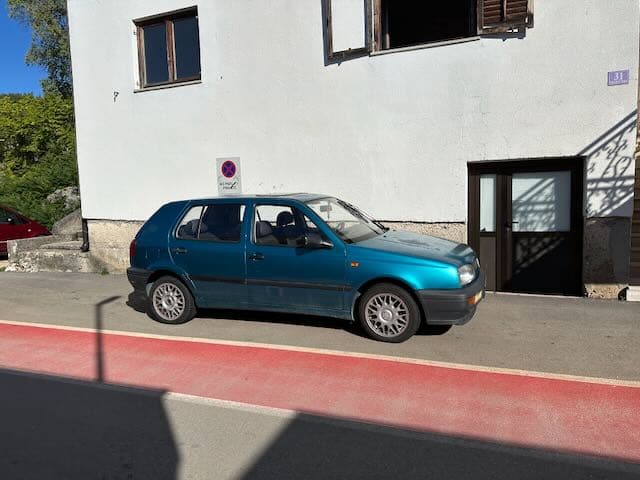
Car insurance remains one of the most significant financial burdens for Irish motorists. It’s been a longstanding issue, largely due to Ireland’s modest population and historically poor road safety figures, which create a challenging environment for insurers. A recent study found that 64 per cent of Irish drivers cite insurance as their biggest motoring expense.
Although premiums in Ireland tend to be higher than in many European countries, there are several effective strategies to reduce your car insurance costs.
1. Shop Around Before Renewing
It may sound like a cliché, but comparing quotes really works. Insurers often inflate renewal premiums, banking on the fact that many policyholders won’t question the increase. The result? Easy profits for them, unnecessary expenses for you.
Avoid falling into that trap. Well before your renewal date, start researching quotes using comparison websites and direct calls to insurers. By understanding the competitive rate for your coverage, you’ll be well positioned to negotiate with your current provider or make the switch to a better offer.
2. Consider Increasing Your Excess
Your excess is the amount you agree to pay out of pocket if you need to make a claim. By raising this amount—perhaps by €100 or more—you can often lower your annual premium substantially.
It’s a calculated risk: you’re betting on not needing to claim. But since car insurance itself is essentially a risk-based product, increasing your excess could be a smart move—especially if you’re a low-risk driver.
3. Build and Protect Your No-Claims Bonus
A strong no-claims bonus is one of the most powerful tools in reducing your premium. If you’ve driven accident-free for several years, insurers will usually reward you with sizeable discounts—often up to 50 per cent.
Many insurers also offer the option to protect your no-claims bonus for an additional fee. This means that even if you need to make a minor or non-fault claim, your discount stays intact. It’s worth considering if you’ve already built up a solid claims-free history.
4. Limit Your Mileage
If you drive relatively few kilometres annually, you may qualify for a lower premium by opting for a limited mileage policy. Just be sure to stay within the agreed distance, as exceeding it could invalidate your cover.
5. Keep Your Licence Clean
Avoiding penalty points isn’t just good for your driving record—it keeps your insurance costs in check. A couple of points may not have a huge impact, but accumulating more will almost certainly increase your premium.
6. Pay Annually
Paying your insurance in one lump sum rather than in monthly instalments often works out cheaper. Monthly payments may seem manageable, but they usually include additional interest or admin fees. Do the maths and pay annually if you can afford it.
7. Use an Insurance Broker
Don’t discount the value of an independent broker. Especially useful for niche or classic vehicles, brokers can sometimes access policies or discounts not available through online platforms. A good broker can tailor a policy to your specific needs.
8. Choose a Lower-Risk Car
If you’re in the market for a new car, consult your insurer or broker before buying. Certain makes and models attract lower premiums due to better safety ratings, lower repair costs, or lower performance specs.
9. Add a Named Driver
Adding an experienced, claim-free named driver—such as a spouse or partner—can reduce your premium. This spreads the risk between two responsible drivers, which many insurers reward with a lower rate.
10. Accurately Value Your Car
Make sure your car is insured for its actual market value. Overestimating can lead to higher premiums, while underestimating could leave you out of pocket in the event of a total loss. Check online classified listings to gauge your vehicle’s current value.